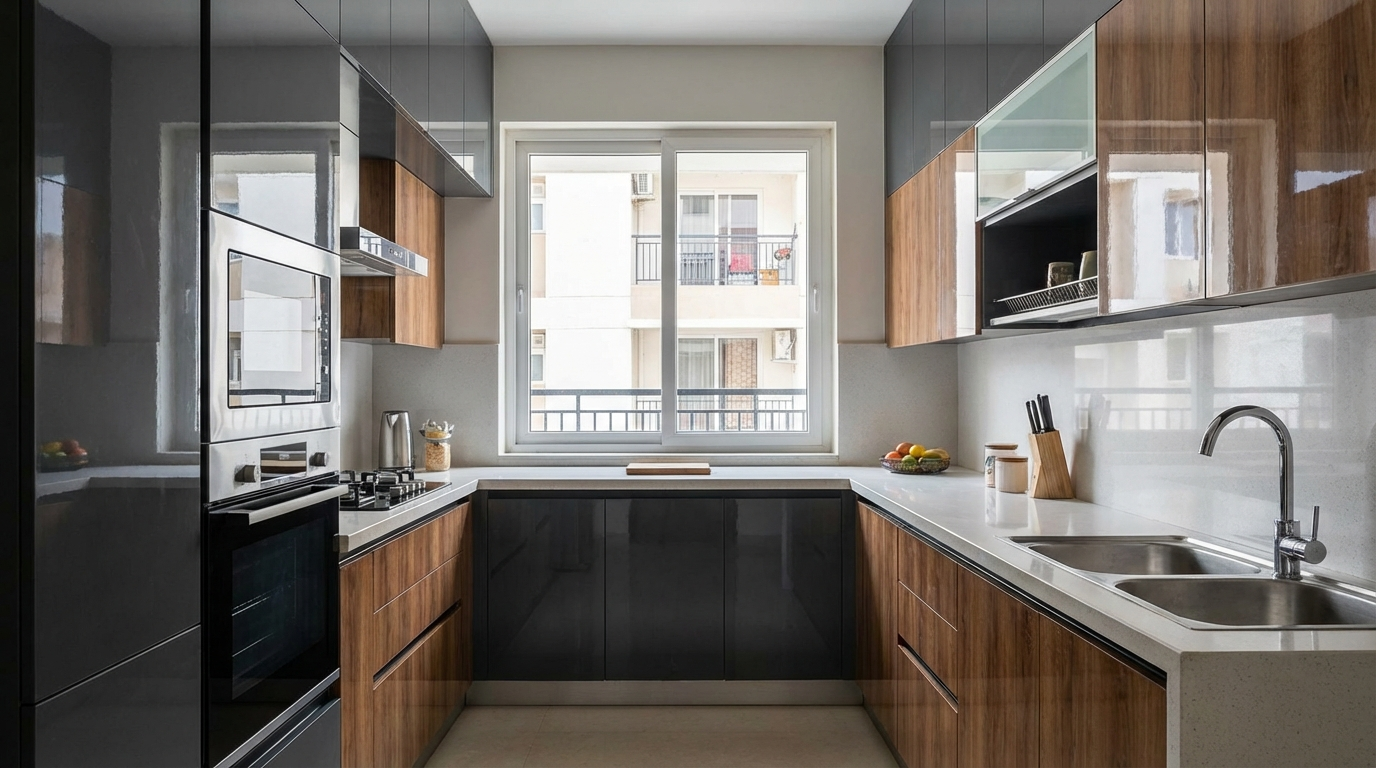
Why Acrylic Boards Have Become the Default Choice for Premium Indian Kitchens
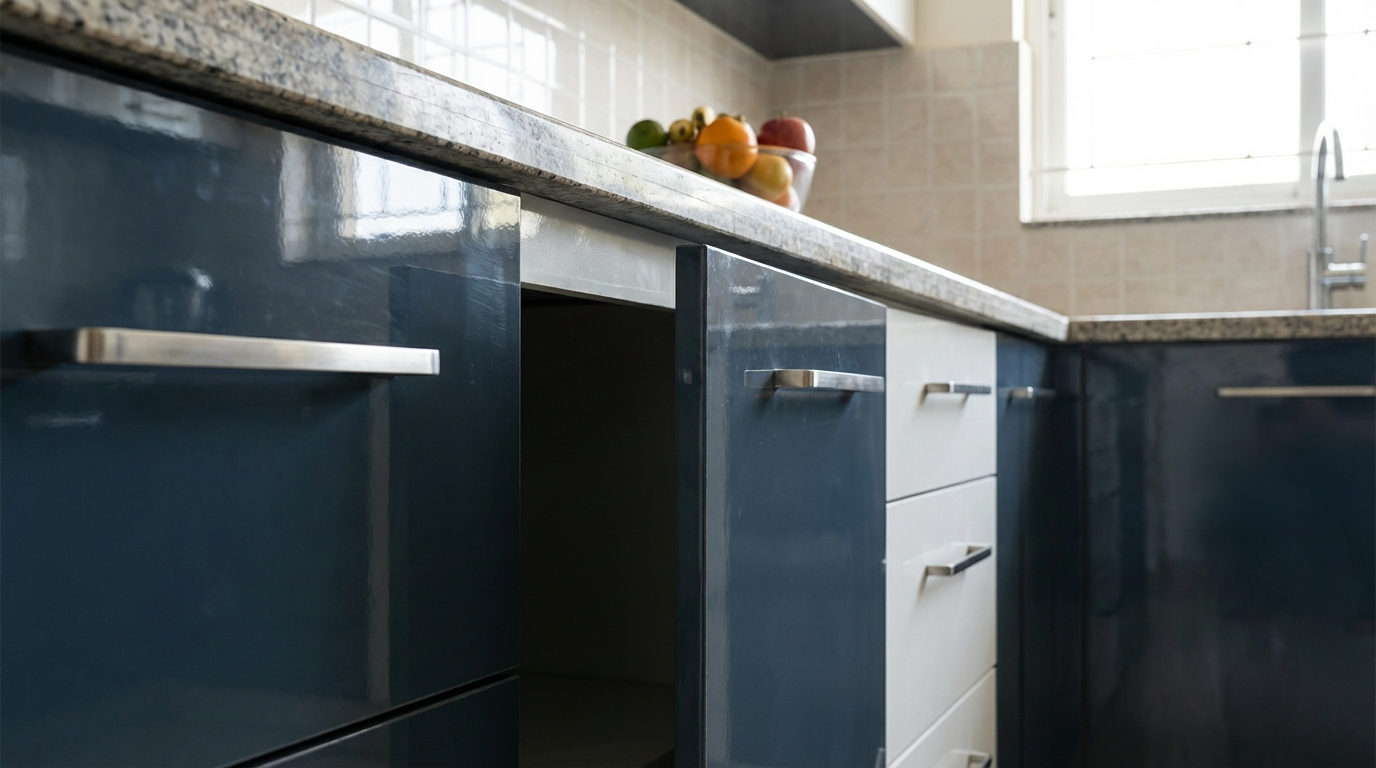
Walk into any high-end modular kitchen showroom in Mumbai, Bangalore, or Delhi, and you'll notice something immediately: the overwhelming dominance of glossy, mirror-like cabinet surfaces. These aren't lacquered finishes or painted shutters—they're acrylic boards, and they've fundamentally changed how Indian homeowners think about kitchen aesthetics.
But here's what most buyers don't realise until they're deep into their kitchen renovation: acrylic isn't a single material with a fixed price. It's a category spanning everything from budget-friendly acrylic laminates at ₹180 per square foot to premium solid acrylic panels exceeding ₹1,200 per square foot. The difference in durability, appearance, and long-term value between these options is substantial—and making the wrong choice can mean either overpaying significantly or regretting your decision within two years.
This guide cuts through the marketing terminology to explain exactly what you're buying, what it costs across different Indian cities, and whether acrylic is genuinely the right choice for your specific kitchen situation.
What Exactly is an Acrylic Board? Understanding the Material
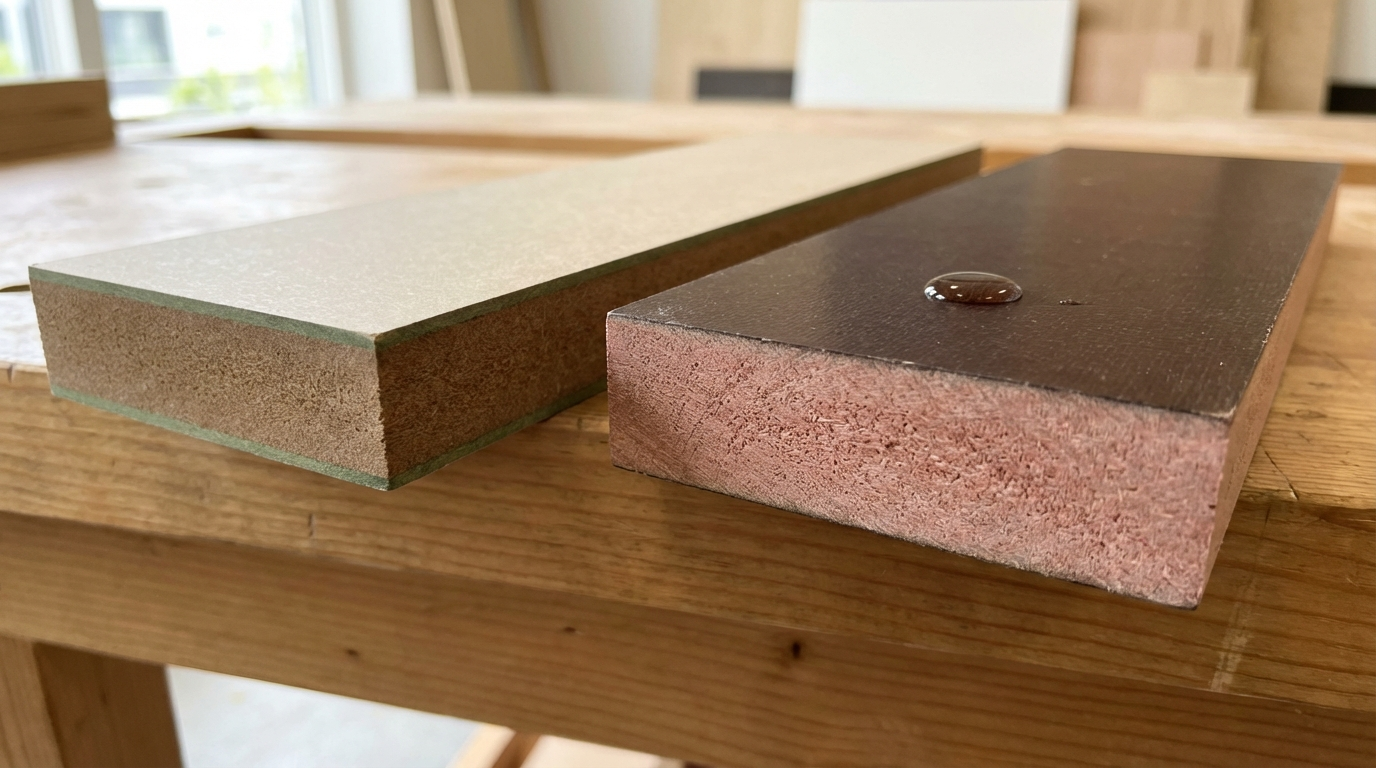
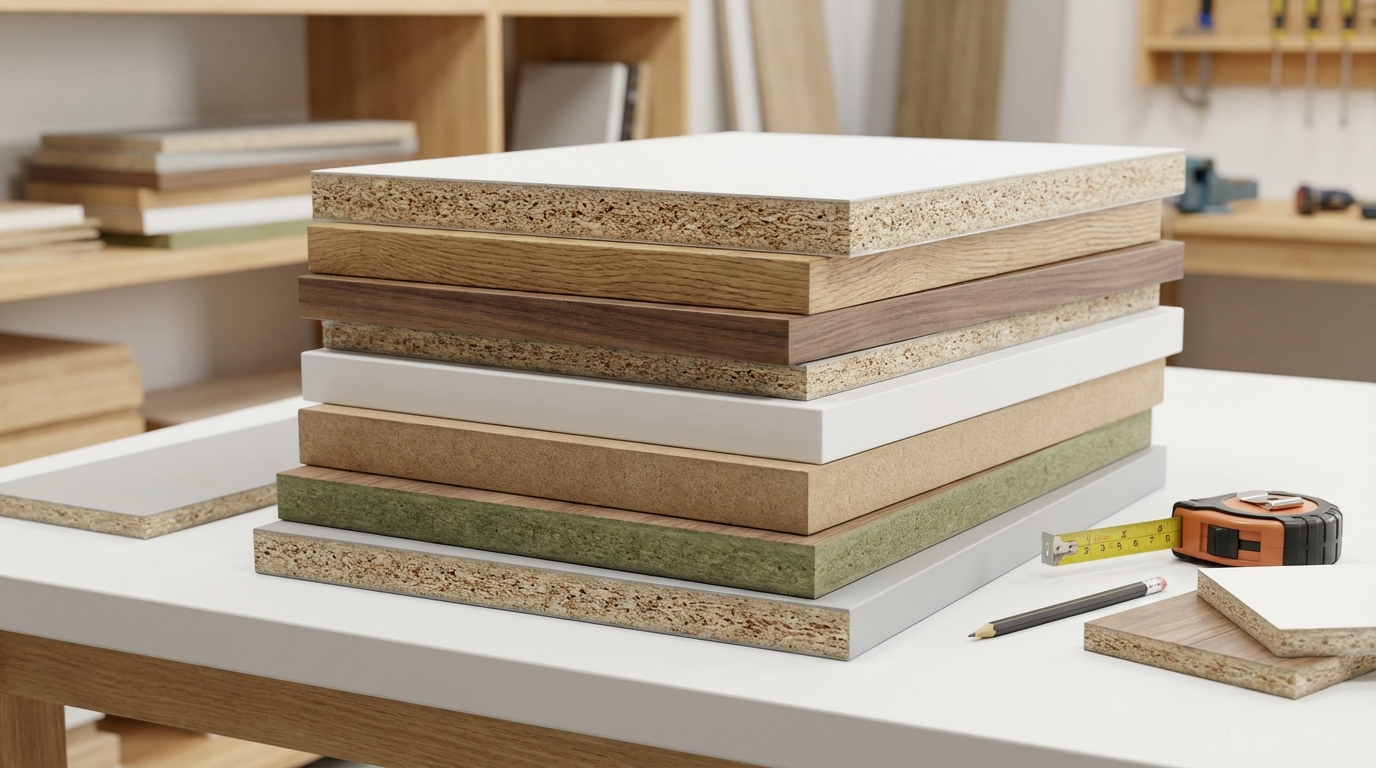
An acrylic board is a decorative surface material made from polymethyl methacrylate (PMMA)—a transparent thermoplastic that can be manufactured with exceptional optical clarity. When used in kitchen and interior applications, acrylic sheets are bonded to substrate boards (typically MDF or plywood) to create cabinet shutters, wall panels, and furniture surfaces.
The defining characteristic of acrylic is its ability to achieve a depth of gloss that no other commonly-used kitchen material can match. Where high-gloss laminates reflect approximately 70-80% of light, quality acrylic surfaces reflect upwards of 90%, creating that distinctive mirror-like appearance that photographs exceptionally well and makes spaces appear larger.
The Critical Distinction: Acrylic Sheets vs. Acrylic Laminates
This is where most buyers get confused, and where many dealers exploit that confusion to upsell or mislead.
Acrylic sheets (also called solid acrylic or high-gloss acrylic) are thick panels—typically 1mm to 2mm—that are physically bonded to the substrate using specialised adhesives and pressure. The acrylic layer has genuine depth, which is why scratches can often be buffed out and why the finish maintains its appearance for 10-15 years under normal use.
Acrylic laminates (sometimes marketed as "acrylic finish" or "acrylic-coated") are thin films—usually 0.5mm to 0.8mm—applied similarly to standard HPL laminates. They offer the glossy appearance at a lower cost but lack the depth, repairability, and longevity of true acrylic sheets.
When a dealer quotes you an "acrylic kitchen" at ₹1,50,000 for a 100-square-foot installation, you need to know which category you're getting. The price difference between these two options for the same kitchen can exceed ₹80,000.
Types of Acrylic Boards Available in India
The Indian market offers several distinct acrylic product categories, each suited to different budgets and requirements.
1. High-Gloss Solid Acrylic Panels
These are the premium option—thick acrylic sheets with the deepest gloss and best durability. Brands like Rehau RAUVISIO, Senosan, and Acrylic Couture dominate this segment. The surface is scratch-resistant (not scratch-proof), UV-stable, and can be polished to remove minor surface damage.
Best suited for: High-budget kitchens where appearance is the primary concern, homes with minimal direct sunlight exposure on cabinet surfaces, clients willing to invest in proper maintenance.
2. Acrylic Laminates (High-Gloss HPL)
These combine the visual appeal of acrylic with the practical benefits of laminate construction. Products like Merino Acrylam and Greenlam's acrylic range fall into this category. They're thinner, more affordable, and easier to work with for carpenters, but they cannot be repaired if deeply scratched.
Best suited for: Mid-range budgets, rental properties, kitchens requiring frequent replacement cycles, applications where cost-per-square-foot is a primary constraint.
3. PET Acrylic Films
The most economical option, PET (polyethylene terephthalate) films offer a glossy finish at the lowest price point. However, they're prone to peeling at edges, have limited colour options, and typically show wear within 3-5 years. Many unbranded "acrylic finish" products in the market are actually PET films.
Best suited for: Extremely tight budgets, temporary installations, commercial spaces requiring frequent renovation.
4. Matte Acrylic Surfaces
A relatively recent addition to the Indian market, matte acrylic provides the durability benefits of solid acrylic without the fingerprint visibility issues of high-gloss surfaces. These are gaining popularity in homes with young children or for those who prefer a more understated aesthetic.
Best suited for: Families with children, contemporary minimalist designs, kitchens with significant natural light where glare might be problematic.
Acrylic Board Prices in India: 2026 Market Rates
Pricing for acrylic products varies significantly based on type, brand, finish, and your location. The following table represents typical retail prices across major Indian metros—actual dealer quotes may vary by 10-15% based on order volume and negotiation.
| Product Category | Thickness | Price Range (₹/sq ft) | Popular Brands |
|---|---|---|---|
| Premium Solid Acrylic | 1.5mm - 2mm | ₹850 - ₹1,400 | Rehau RAUVISIO, Senosan, Acrylic Couture |
| Mid-Range Solid Acrylic | 1mm - 1.5mm | ₹550 - ₹850 | Euro Pratik, Sleek, domestic manufacturers |
| Acrylic Laminates | 0.8mm - 1mm | ₹280 - ₹450 | Merino Acrylam, Greenlam, Royale Touche |
| PET Acrylic Films | 0.5mm - 0.7mm | ₹150 - ₹250 | Various unbranded, Mica alternatives |
| Matte Acrylic | 1mm - 1.5mm | ₹600 - ₹950 | Rehau, Fenix (NTM alternative), Alvic |
Complete Kitchen Cost Calculation
For a typical L-shaped modular kitchen with approximately 80-100 square feet of shutter surface area, here's what you can expect to pay for the acrylic finish component alone (excluding carcass, hardware, countertop, and installation):
- Budget Acrylic Kitchen: ₹15,000 - ₹25,000 (using acrylic laminates)
- Mid-Range Acrylic Kitchen: ₹45,000 - ₹70,000 (using mid-tier solid acrylic)
- Premium Acrylic Kitchen: ₹85,000 - ₹1,40,000 (using imported solid acrylic)
These figures represent the shutter finish only. A complete modular kitchen installation with acrylic shutters typically costs ₹1,800 - ₹3,500 per square foot all-inclusive, depending on brand, hardware quality, and countertop material.
Acrylic vs. UV Board vs. Laminate: Making the Right Choice
The decision between acrylic, UV-coated boards, and high-gloss laminates isn't straightforward—each has genuine advantages depending on your priorities.
| Parameter | Solid Acrylic | UV Board | High-Gloss Laminate |
|---|---|---|---|
| Gloss Level | Highest (90%+ reflectivity) | High (80-85%) | Medium-High (70-80%) |
| Scratch Resistance | Good (repairable) | Excellent (surface-hard) | Good (not repairable) |
| Fingerprint Visibility | Very High | High | Moderate |
| Edge Finishing | Seamless possible | Requires edge banding | Requires edge banding |
| Moisture Resistance | Excellent | Good | Moderate |
| Heat Resistance | Moderate (not near flame) | Good | Good |
| Price (per sq ft) | ₹550 - ₹1,400 | ₹350 - ₹600 | ₹180 - ₹400 |
| Typical Lifespan | 10-15 years | 8-12 years | 7-10 years |
When Acrylic is the Clear Winner
Choose acrylic when your primary goals are maximum visual impact and a luxurious appearance. The depth of gloss in quality acrylic simply cannot be replicated by UV coating or laminate films. If you're designing a showpiece kitchen that will be photographed, displayed, or serves as a status symbol, acrylic delivers unmatched results.
Acrylic also excels in high-humidity environments because the non-porous surface doesn't absorb moisture. Coastal cities like Mumbai, Chennai, and Kolkata see better long-term performance from acrylic compared to some laminate products that can delaminate in persistent humidity.
When Acrylic Might Not Be Your Best Option
If your kitchen receives direct sunlight for extended periods, the high reflectivity of acrylic can create uncomfortable glare. Additionally, homes with young children or heavy kitchen usage may find the fingerprint visibility frustrating—you'll be wiping surfaces constantly to maintain appearance.
For rental properties or kitchens likely to be renovated within 5-7 years, the premium cost of solid acrylic may not provide sufficient return on investment. A quality acrylic laminate offers 80% of the visual appeal at 40% of the cost.
Design Considerations for Acrylic Kitchen Shutters
Colour Selection Strategy
Acrylic's reflective properties interact differently with various colours. Here's what works best in Indian kitchen contexts:
White and off-white: The most popular choice for good reason. Light colours maximise the space-expanding effect of glossy surfaces and show fingerprints less prominently than dark colours. However, pure white can appear clinical—consider warm whites or ivory tones for a more inviting feel.
Grey tones: Increasingly popular in contemporary Indian kitchens, grey acrylic balances visual interest with practical maintenance. Charcoal grey in particular hides marks well while maintaining a sophisticated appearance.
Bold colours (red, blue, green): Can create stunning feature kitchens but require careful consideration. These colours show every fingerprint and scratch, and may feel dated faster than neutral tones. Best used as accents rather than full-coverage applications.
Wood-grain acrylic: Available but generally not recommended. The purpose of acrylic is its glossy surface—wood grain patterns look more authentic in matte laminates or actual veneers.
Layout and Lighting Integration
Acrylic's reflective nature demands thoughtful lighting design. Under-cabinet LED strips can create dramatic effects, bouncing light off glossy surfaces to illuminate work areas beautifully. However, overhead spotlights directly facing acrylic cabinets may create harsh reflections.
For island kitchens with acrylic panels on the island sides, consider how evening lighting will interact with the surfaces. The mirror effect can either enhance or detract from the overall ambiance depending on fixture placement.
Acrylic for Non-Kitchen Applications
While kitchens represent the primary market, acrylic boards serve effectively in several other interior applications:
Wardrobes and Closets
High-gloss acrylic wardrobe shutters create a contemporary bedroom aesthetic. The moisture resistance is less critical here, but the visual impact can transform a bedroom. For walk-in closets, acrylic surfaces reflect internal lighting effectively, making it easier to see clothing colours accurately.
TV Units and Entertainment Centers
The reflective surface complements modern electronics aesthetically. However, be cautious about placing acrylic surfaces directly opposite windows or television screens—reflections can create viewing discomfort.
Bathroom Vanities
Acrylic's moisture resistance makes it suitable for bathroom cabinetry. Ensure proper ventilation and avoid direct water contact on edges, where even quality acrylic can eventually show wear if the substrate underneath is compromised.
Office Furniture
Reception desks, executive cabin furniture, and conference room credenzas increasingly feature acrylic finishes in corporate interiors. The material conveys modernity and sophistication appropriate for professional environments.
Maintenance and Care: What Dealers Don't Emphasise
The maintenance requirements for acrylic surfaces are often understated during sales conversations. Here's the realistic picture:
Daily Cleaning
Acrylic surfaces require cleaning with microfibre cloths specifically—paper towels and regular cotton cloths can leave fine scratches over time. Use only mild soap solutions or purpose-made acrylic cleaners. Avoid all abrasive cleaners, including those marketed as "gentle" or "multi-surface."
What to Avoid Absolutely
- Ammonia-based cleaners (including most glass cleaners)
- Acetone or nail polish remover
- Rough sponges or scrubbing pads
- Dry wiping when dust is present
- Placing hot vessels directly on acrylic surfaces
Scratch Management
Minor surface scratches on solid acrylic can be buffed out using automotive plastic polish and a soft cloth. This is one of acrylic's advantages over UV boards—the surface can be restored. However, deep scratches that penetrate beyond the acrylic layer into the substrate cannot be repaired without panel replacement.
Long-Term Considerations
Even high-quality acrylic will show some wear after 8-10 years of regular use. The gloss level gradually diminishes, and accumulated micro-scratches affect reflectivity. Budget for potential shutter replacement at the 12-15 year mark, even with careful maintenance.
How to Choose the Right Acrylic Board: Decision Framework
Use this framework to match your situation to the appropriate product category:
Choose Premium Solid Acrylic If:
- Your total kitchen budget exceeds ₹5,00,000
- You prioritise aesthetics as the primary concern
- Your household has no young children
- You're comfortable with regular cleaning routines
- The kitchen doesn't receive direct afternoon sunlight
Choose Mid-Range Acrylic If:
- Your kitchen budget is ₹2,50,000 - ₹5,00,000
- You want glossy aesthetics but value cost-efficiency
- You're planning to live in the property for 8+ years
- You want better moisture resistance than laminate offers
Choose Acrylic Laminate If:
- Your kitchen budget is under ₹2,50,000
- The property is rented or may be sold within 5-7 years
- You prefer lower maintenance requirements
- Your household includes young children
- You want the acrylic look without the premium cost
Consider Alternatives If:
- Your kitchen receives more than 4 hours of direct sunlight daily—consider matte finishes or textured laminates instead
- Fingerprint visibility genuinely bothers you—UV boards or matte laminates may be more practical
- Your budget is extremely constrained—quality laminate will outperform budget acrylic products
Evaluating Brands and Suppliers
Questions to Ask Before Purchasing
When dealers quote "acrylic," demand specific answers to these questions:
- "What is the exact product name and manufacturer?" Reputable products have traceable brand names. Be wary of generic "imported acrylic" claims without specifics.
- "What is the acrylic layer thickness?" Anything below 1mm is acrylic laminate or PET film, not solid acrylic. This dramatically affects pricing expectations.
- "What warranty is provided, and what does it cover?" Legitimate acrylic products carry 5-10 year warranties against delamination and significant colour change. Ensure warranty terms are in writing.
- "Can you provide a sample for scratch testing?" Quality solid acrylic should resist fingernail scratching. If a dealer refuses sample testing, question the product quality.
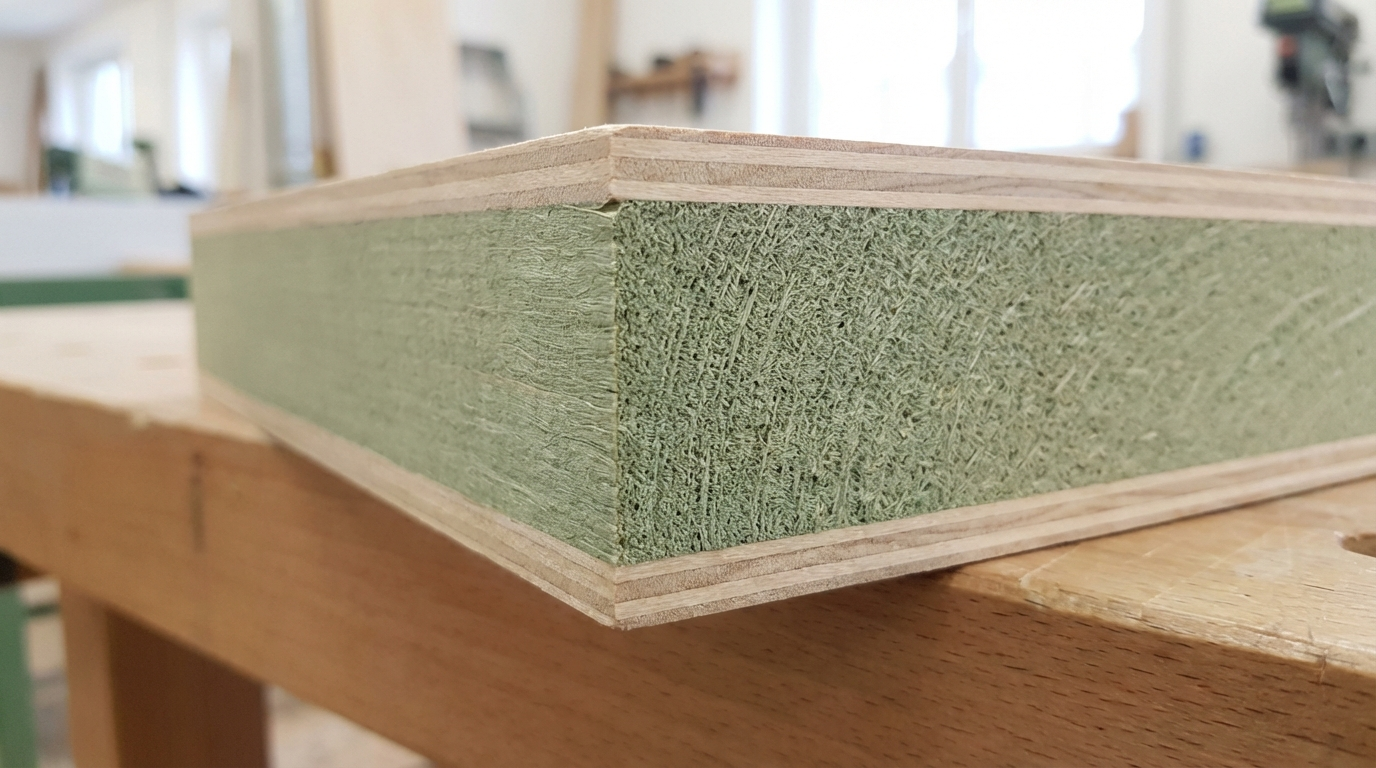
- "What substrate will be used?" Acrylic should be bonded to moisture-resistant MDF or marine-grade plywood. Standard MDF will fail in Indian kitchen humidity conditions.
Red Flags to Watch For
- Prices significantly below market rates for claimed product categories
- Unwillingness to specify exact brand and product names
- Claims of "lifetime warranty" without written documentation
- Pressure to decide immediately without time for comparison
- Inability to show completed installations using the same product
Installation Quality Matters More Than You Think
Even the finest acrylic panel will fail prematurely if installation is substandard. Insist on these installation standards:
Edge sealing: All edges, including internal edges inside cabinets, must be properly sealed against moisture. Edge banding should use PVC or ABS materials colour-matched to the acrylic surface.
Adhesive quality: Acrylic bonding requires specific adhesives designed for the material. Using standard wood glue or generic construction adhesive leads to delamination within 2-3 years.
Ventilation gaps: Behind acrylic panels in areas near heat sources (ovens, hobs), adequate ventilation gaps must be maintained. Trapped heat causes warping and adhesive failure.
Handle placement: If handles are required, pre-drilling must be done carefully to avoid cracking. Many premium acrylic kitchens use handle-less designs (J-pull or push-to-open mechanisms) partly to avoid this risk.
Final Recommendations for Indian Buyers
Acrylic boards have earned their popularity in Indian interiors—the material genuinely delivers an aesthetic that alternatives cannot match. However, that appeal comes with real trade-offs in cost, maintenance, and practical considerations that every buyer should weigh honestly.
For most Indian homeowners renovating their primary residence with a mid-to-upper budget, a strategic combination approach works best: use solid acrylic for highly visible upper cabinets and feature areas, while specifying quality laminates or UV boards for base cabinets that encounter more physical wear. This delivers visual impact while managing costs and maintenance practically.
Whatever you choose, verify product specifications independently, insist on documented warranties, and don't let the glossy surface distract from the importance of substrate quality and installation standards. A kitchen is a decade-long investment—make decisions based on durability and practical performance, not just showroom appearance.
Disclaimer: This content is provided for general informational purposes based on industry practices and publicly available information. Product specifications, standards, prices, and availability may vary by manufacturer, region, and time. Readers should independently verify details with manufacturers, dealers, or qualified professionals before making purchase or construction decisions.