HDMR Ply Board: What It Actually Means (And Why People Confuse It)
Search for "HDMR ply board" or "HDMR plywood" and you'll find a confusing mix of results—some talking about high-density boards, others about moisture-resistant plywood, and many using the terms interchangeably. Here's the clarification you need before spending money on the wrong material.
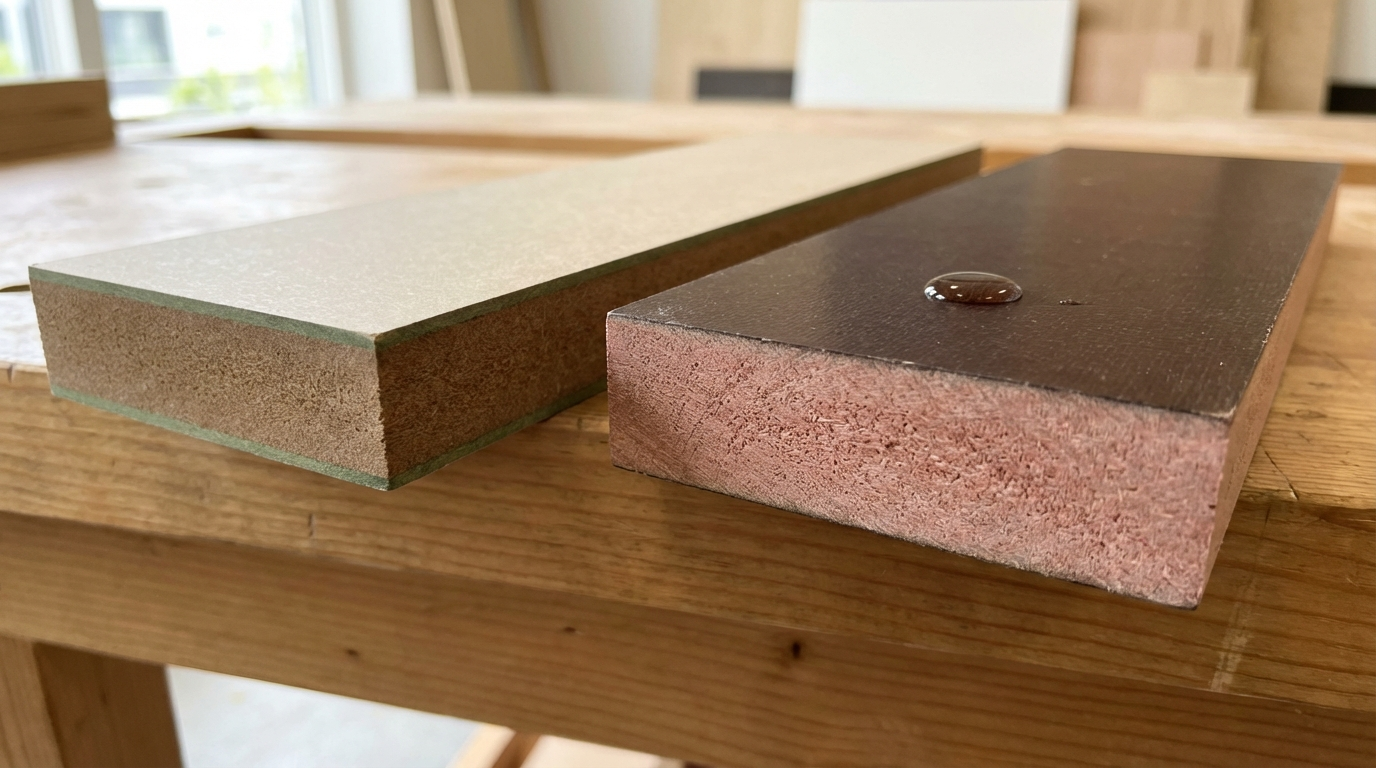
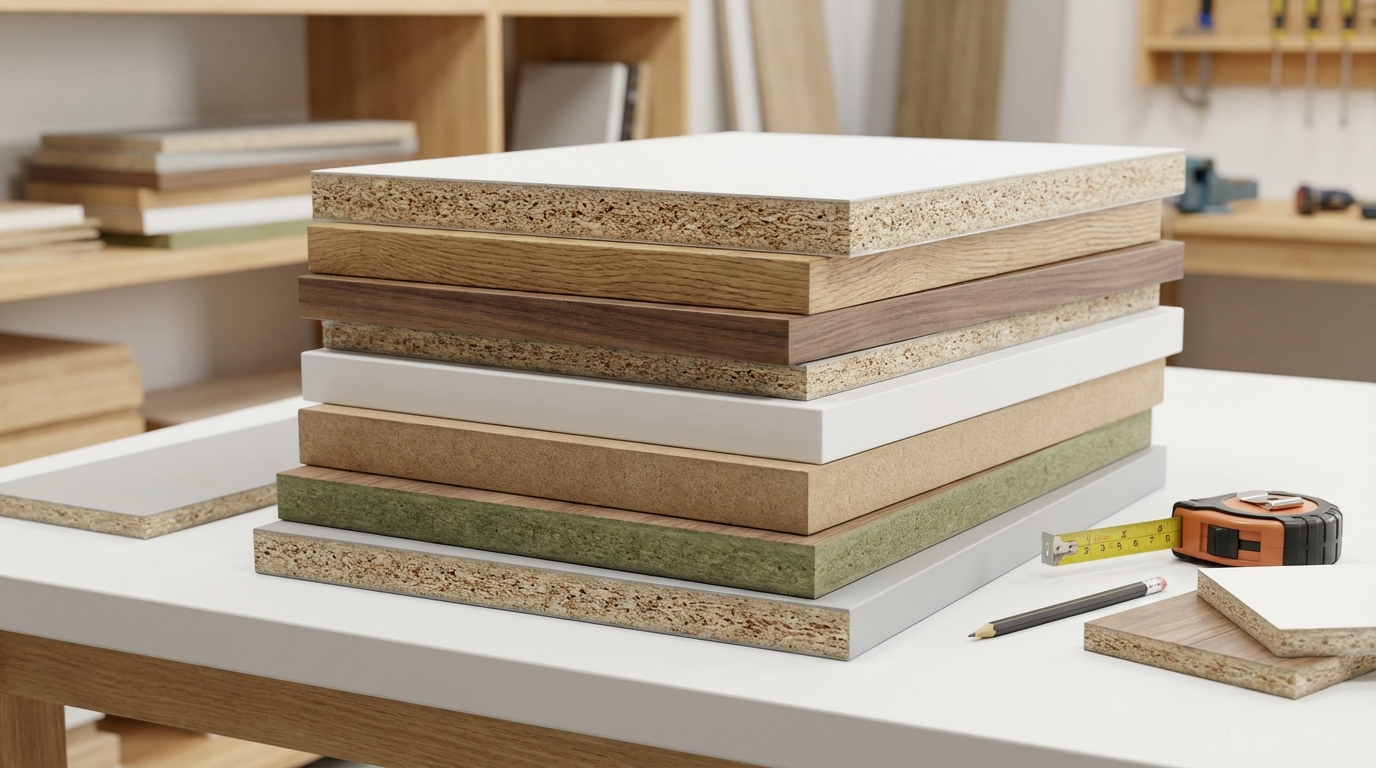
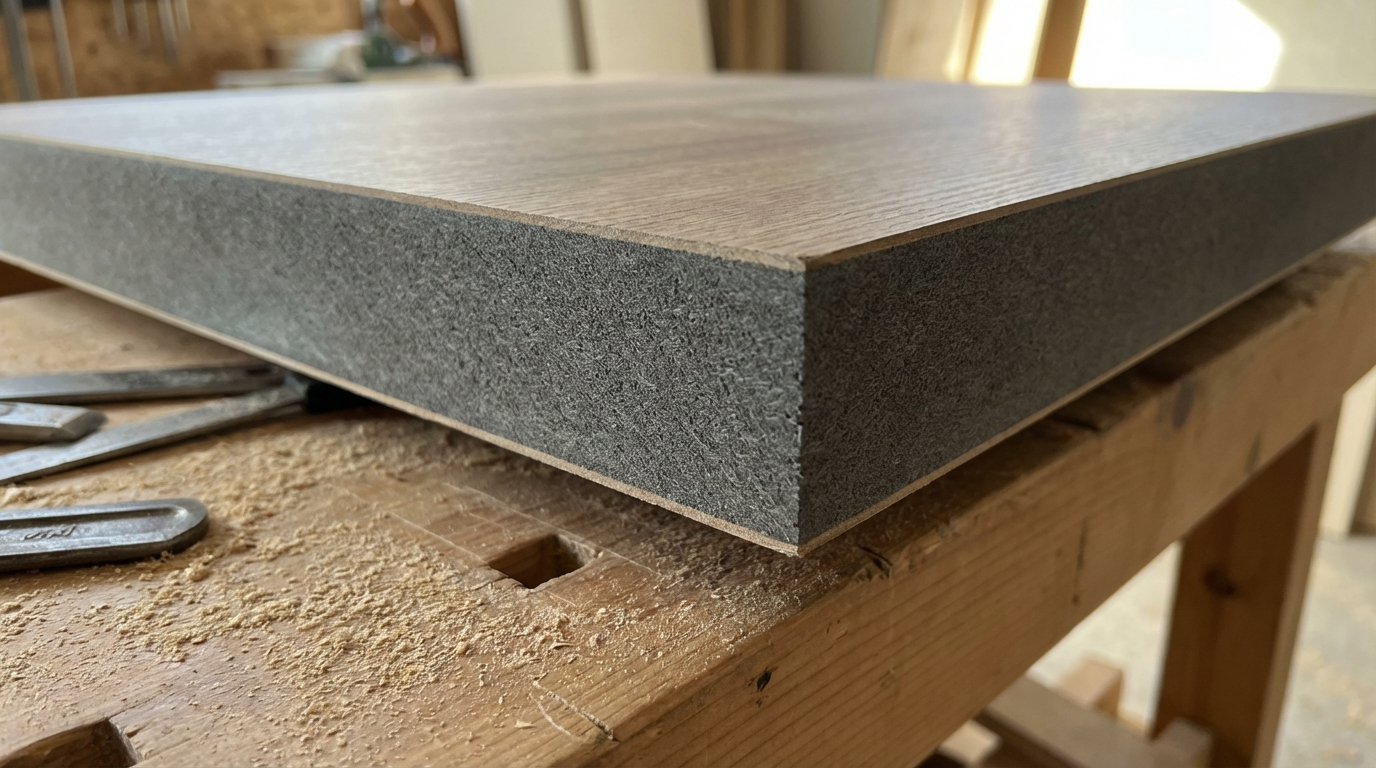
HDMR is not plywood. The term "HDMR" typically refers to High Density Moisture Resistant fibreboard—an engineered wood product made from compressed wood fibres and moisture-resistant resins. It shares more DNA with MDF (Medium Density Fibreboard) than with traditional plywood, which is made from layered wood veneers.
The confusion arises because:
- Dealers and carpenters often use "ply" as a generic term for any sheet material
- HDMR boards compete directly with plywood for furniture applications
- Some brands market their products with names that blend these categories
- The related term "HDHMR" (High Density High Moisture Resistant) adds another layer of terminology
In this guide, we'll cut through the confusion—explaining exactly what HDMR boards are, how they differ from actual plywood and HDHMR, current pricing across India, and which applications suit each material best.
HDMR vs HDHMR: Understanding the Terminology
Before diving deeper, let's establish what these abbreviations actually mean:
| Term | Full Form | Material Type | Key Characteristic |
|---|---|---|---|
| HDMR | High Density Moisture Resistant | Fibreboard (MDF family) | Dense board with basic moisture protection |
| HDHMR | High Density High Moisture Resistant | Fibreboard (MDF family) | Denser board with enhanced moisture resistance |
| HMR MDF | High Moisture Resistant MDF | Fibreboard | Standard MDF with moisture-resistant resin |
| BWR Plywood | Boiling Water Resistant Plywood | Layered veneer plywood | Plywood grade for wet areas |
The practical difference: HDHMR boards typically have a density of 800–900 kg/m³ and use superior moisture-resistant adhesives compared to standard HDMR or MDF. When someone asks for "HDMR ply board" at a dealer, they usually want HDHMR—the premium version that's become the industry standard for modular furniture in India.
For the remainder of this guide, we'll use HDHMR as the reference standard, since that's what most buyers actually need and what reputable manufacturers primarily produce.
What Makes HDHMR Different from Plywood?
Understanding the fundamental differences helps you choose correctly:
Composition and Structure
HDHMR boards are made from wood fibres (essentially wood reduced to its basic fibre components) mixed with moisture-resistant synthetic resins, then compressed under high heat and pressure. The result is a homogeneous panel—uniform density throughout, no layers, no grain direction, and a smooth, consistent surface on both sides.
Plywood is made from thin wood veneers (peeled from logs) stacked in alternating grain directions and bonded with adhesive. This cross-grain construction gives plywood its characteristic strength—it resists splitting and has excellent screw-holding capacity because the veneers interlock.
Performance Comparison
| Property | HDHMR Board | BWR/Marine Plywood | Winner For |
|---|---|---|---|
| Surface smoothness | Excellent—factory smooth | Good—may show grain | HDHMR for painted/laminated finishes |
| Screw holding (face) | Good (needs pilot holes) | Excellent | Plywood for heavy hardware |
| Screw holding (edge) | Moderate | Very good | Plywood for edge-joined work |
| Moisture resistance | High (swells <8% in 24hr test) | High (BWP grade) | Comparable when properly finished |
| Termite resistance | Built-in chemical treatment | Varies by brand/treatment | HDHMR more consistent |
| Weight | Heavier (40-45 kg per 8×4 sheet at 18mm) | Lighter (30-35 kg equivalent) | Plywood for ease of handling |
| Machining quality | Excellent CNC results | Good but may chip | HDHMR for detailed patterns |
| Cost (2026) | ₹75–110/sq ft (18mm) | ₹90–150/sq ft (BWR 18mm) | HDHMR often more affordable |
When HDHMR Outperforms Plywood
Choose HDHMR when you need:
- Flawless painted finishes—no grain telegraphing, no knots showing through
- CNC-routed decorative patterns—the homogeneous structure cuts cleanly
- Consistent moisture performance—no internal voids that can trap moisture
- Guaranteed termite resistance—factory-integrated, not surface-applied
- Cost optimization—typically 15-30% less than equivalent quality plywood
When Plywood Outperforms HDHMR
Choose plywood when you need:
- Maximum structural strength—for long spans or heavy loads
- Edge screwing—for knock-down furniture or specific joinery
- Lighter panels—for wall-mounted units or movable furniture
- Outdoor applications—marine plywood handles weather better
- Traditional wood appearance—when you want natural veneer visible
HDHMR Board Price Guide: India 2026
Pricing varies significantly based on thickness, brand tier, finish type, and regional availability. Here's what to expect when budgeting:
Thickness-Wise Price Ranges (Plain/Unlaminated)
| Thickness | Price Range (₹/sq ft) | Per Sheet (8×4 ft = 32 sq ft) | Primary Uses |
|---|---|---|---|
| 6mm | ₹45–65 | ₹1,440–2,080 | Back panels, drawer bottoms |
| 9mm | ₹55–75 | ₹1,760–2,400 | Partitions, light shelves |
| 12mm | ₹65–90 | ₹2,080–2,880 | Cabinet doors, medium shelves |
| 16mm | ₹80–100 | ₹2,560–3,200 | Cabinet carcasses, wardrobe sides |
| 18mm | ₹90–115 | ₹2,880–3,680 | Kitchen cabinets, heavy-duty shelves |
| 25mm | ₹110–140 | ₹3,520–4,480 | Countertops, worktables |
Brand Tier Pricing
Premium brands (Action Tesa, Century Premium Plus, Greenpanel): Top end of price ranges, often 15-25% higher than mid-tier. Justify the premium through consistent density, better moisture resistance ratings, longer warranties (often 7-10 years), and E0/E1 emission certifications.
Mid-tier brands (Regional manufacturers, second-line products from major brands): Middle of price ranges. Adequate for most residential furniture applications. Check for IS certification and ask about density specifications.
Economy/Local boards: Below listed ranges. Often sold as "HDHMR" but may be standard HMR MDF. Verify density (should be 800+ kg/m³) and moisture specifications before purchasing.
Pre-Laminated vs Plain Boards
Pre-laminated HDHMR (with factory-applied decorative laminate) costs approximately ₹25-50 more per sq ft than plain boards. The economics work out roughly as:
- Plain board + separate lamination: Board cost + laminate (₹15-40/sq ft) + labour/adhesive
- Pre-laminated board: Single cost, less waste, faster installation
For large projects with uniform finishes (all-white interiors, single colour wardrobes), pre-laminated can be cost-effective. For custom finishes or mixed designs, plain boards offer more flexibility.
Regional Price Variations
Expect 10-20% price variations across India based on:
- Proximity to manufacturing: Gujarat, Maharashtra, and South India have multiple factories—lower transport costs
- Metro vs Tier-2 cities: More competition in metros can mean better pricing
- Dealer network depth: Areas with limited branded dealers may have higher prices or quality concerns
Best Applications for HDHMR Boards
Kitchen Cabinets: The Primary Use Case
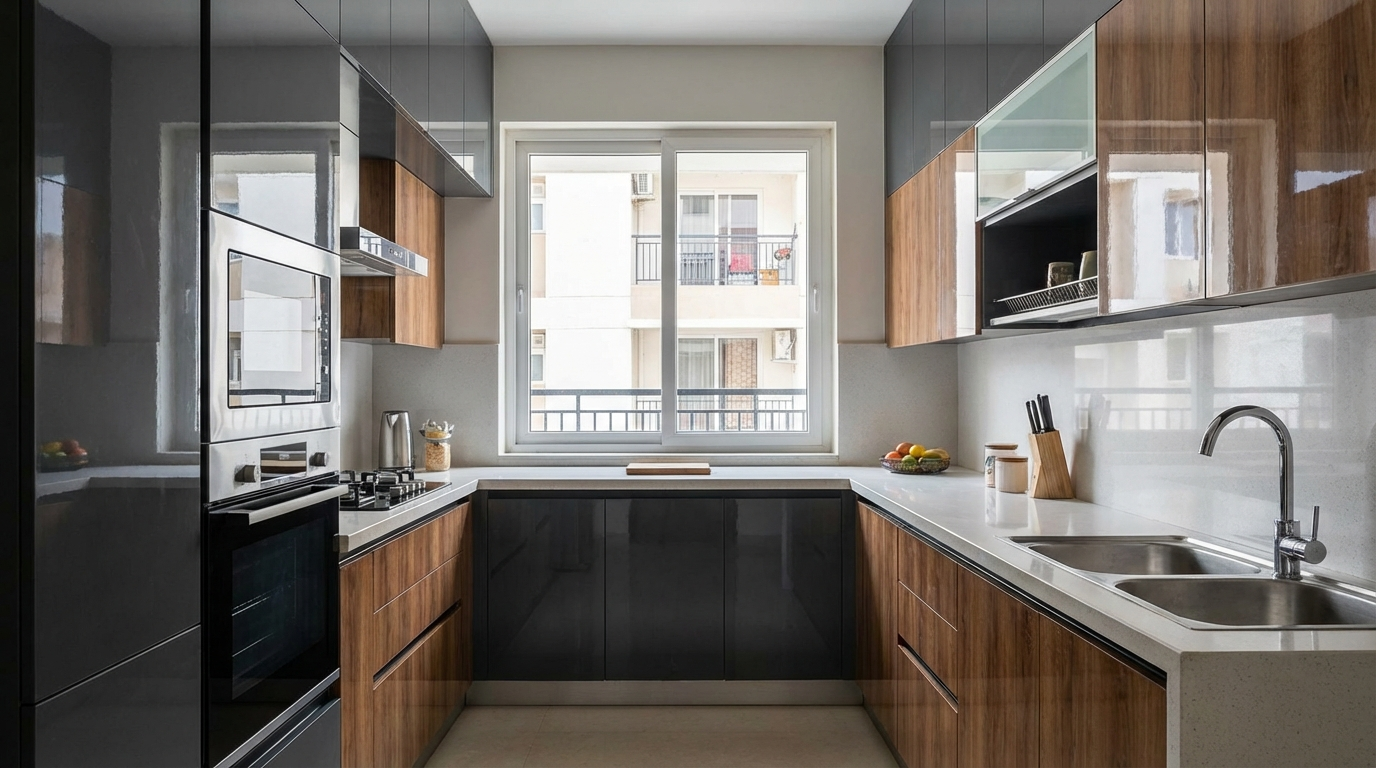
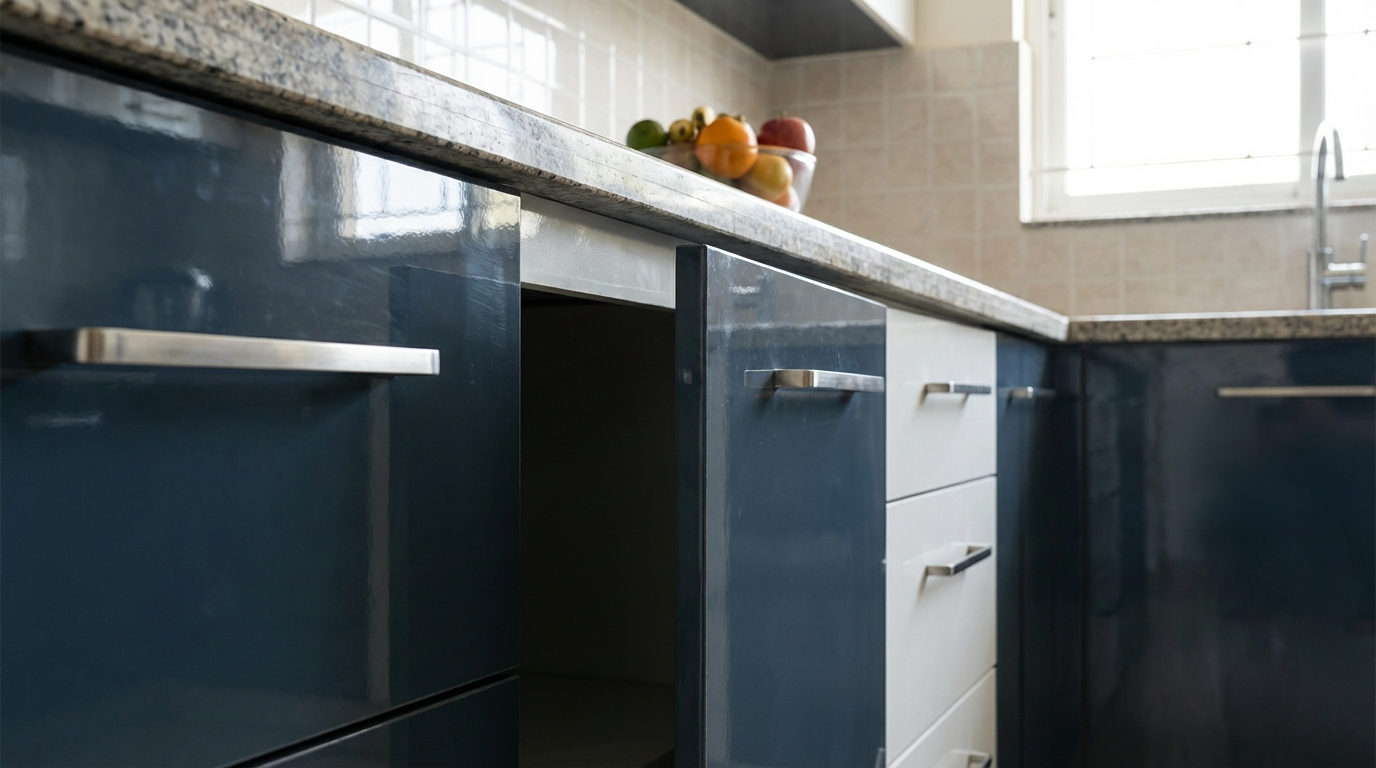
HDHMR has become the default choice for modular kitchen carcasses and shutters in India. Here's why it works well and how to use it correctly:
For cabinet boxes (carcasses):
- Use 16mm or 18mm for sides, top, and bottom panels
- Use 6mm for back panels (adequate since it's supported by the frame)
- Ensure all cut edges are sealed with edge banding or PU sealant
- Apply laminate or paint to both faces to balance the board and prevent warping
For shutters/doors:
- 18mm is standard; 16mm acceptable for smaller overhead cabinet doors
- Use 3-4 hinges on tall doors to distribute the board's weight
- Soft-close hinges recommended—the heavy doors can slam otherwise
Near-sink areas: HDHMR handles humidity well, but direct water contact remains a concern. For under-sink cabinets, some designers prefer marine plywood for the base panel while using HDHMR for the rest. Alternatively, apply waterproof paint or laminate to HDHMR and ensure excellent drainage/ventilation below the sink.
Wardrobes and Bedroom Furniture
HDHMR excels here because:
- Termite resistance protects stored clothes long-term
- Smooth surfaces take paint finishes beautifully for modern aesthetics
- No off-gassing concerns after initial curing (important for enclosed bedroom spaces)
Recommended approach:
- 18mm for wardrobe sides and fixed shelves
- 18mm for doors (HDHMR doors feel substantial and don't wobble)
- 16mm acceptable for internal partitions
- 6mm for backs
- 12mm for adjustable shelves if spanning under 60cm; 18mm for longer spans
Bathroom Vanities: Yes, With Precautions
HDHMR can be used in bathrooms for vanity cabinets, but requires proper execution:
Do:
- Laminate or paint all six sides of every piece before assembly
- Use quality PVC edge banding, heat-sealed properly
- Ensure the vanity has legs or stands off the floor (not directly on tile)
- Provide ventilation—don't fully enclose the space below the sink
Don't:
- Use HDHMR inside shower enclosures
- Leave any edges or back panels unfinished
- Allow standing water to remain on surfaces
Office Furniture and Commercial Interiors
HDHMR works well for:
- Workstation partitions and desks
- Storage cabinets and shelving units
- Reception counters and display units
- Conference room panelling
Commercial projects benefit from HDHMR's consistency—large orders come with uniform quality, unlike plywood where sheet-to-sheet variation can occur.
Where NOT to Use HDHMR
- Exterior applications: Even with HDHMR's moisture resistance, UV exposure and rain cycles will degrade it
- Structural framing: Door frames, window frames, and load-bearing elements need solid wood or specifically rated materials
- Long unsupported spans under heavy load: A 1.2-metre shelf holding books will sag over time unless adequately thick (25mm) or supported
- Direct ground contact: Moisture will wick up from concrete floors—always use legs or a plinth
How to Choose: Quick Decision Framework
Use this framework when deciding between HDHMR and alternatives:
Choose HDHMR When:
- Your project is interior furniture (kitchens, wardrobes, storage)
- You want painted or laminated finishes
- Termite protection is a priority
- Budget optimization matters without sacrificing durability
- You need CNC-cut decorative elements
Choose Plywood When:
- You need maximum screw-holding for heavy hardware
- The furniture will be moved frequently
- You want exposed wood aesthetics
- The application has outdoor exposure
- Structural strength is critical
Choose MDF When:
- Budget is the primary constraint
- The furniture is in a completely dry area
- You're creating decorative mouldings or detailed carvings
- The application is temporary or low-stakes
Buying HDHMR: Practical Checklist
Before Purchasing
Verify it's actually HDHMR:
- Check for brand markings on the board edge or back
- Ask about density—genuine HDHMR should be 800+ kg/m³
- The board should feel noticeably heavy for its size
- Surface should be smooth and uniform, with fine, consistent texture
Inspect physical condition:
- Boards should be flat, not bowed or warped
- Edges should be clean and hard, not crumbly
- No swelling or water damage marks
Documentation:
- Request warranty card/documentation
- Ask about emission rating (E0/E1 for low formaldehyde)
- Get an invoice showing brand, thickness, and quantity
Quantity Planning
Standard sheets are 8×4 feet (2440×1220mm). When calculating requirements:
- Add 10-15% for cutting waste on complex designs
- Plan your cutting layout to maximize yield from each sheet
- Consider mixing thicknesses strategically (6mm backs save cost vs using 18mm everywhere)
Storage on Site
- Store flat on a level surface—never stand sheets on edge for extended periods
- Keep in a dry, covered area
- If storing for more than a few days, place sheets on battens with support every 60cm
Working with HDHMR: Tips for Carpenters and DIYers
Cutting
- Use carbide-tipped saw blades (60-80 teeth for 10-inch blade)
- Support the sheet fully to prevent breakage from weight
- Cut with the good face up if using a circular saw (blade cuts upward)
- Score the cut line first to reduce chipping
Joining
- Always drill pilot holes for screws
- Confirmat screws work well for 90-degree joints
- Consider dowels or biscuits for added strength in critical joints
- PVA adhesive (like Fevicol SH) works well with proper clamping
Finishing
- For laminate: Clean surface, apply adhesive evenly, press firmly, seal edges
- For paint: Light sanding, primer (especially on edges), multiple thin coats
- For veneer: Use a press or vacuum bag for bubble-free application
Edge Sealing
This is non-negotiable for longevity. Options include:
- PVC edge banding (most common—available in matching colours)
- Laminate strips
- Wood lipping for premium appearance
- PU paint on edges for painted finishes
Common Mistakes to Avoid
- Using HDHMR for everything to "save money": Using 18mm HDHMR for back panels wastes budget. Mix thicknesses strategically.
- Skipping edge sealing: Unsealed edges are the primary failure point for moisture damage.
- Using too few hinges: HDHMR doors are heavy. Three hinges minimum for standard doors, four for tall wardrobe doors.
- Buying unbranded "HDHMR": If it's significantly cheaper than market rate, it's probably standard MDF or particle board being mislabelled.
- Not balancing panels: Finishing only the visible face can cause warping. Apply laminate or paint to both sides.
- Ignoring climate context: In extremely humid coastal areas, even HDHMR needs extra sealing attention—or consider marine plywood for critical applications.
Actionable Buyer Recommendations
For a modular kitchen project: Budget ₹100-130 per sq ft for 18mm branded HDHMR (plain), plus ₹25-45 for lamination. A 100 sq ft kitchen (cabinets, not countertop) will need approximately 250-300 sq ft of board material across different thicknesses. Calculate ₹35,000-50,000 for boards alone, before hardware and labour.
For a bedroom wardrobe: A standard 8×7 foot wardrobe uses approximately 150-180 sq ft of board. Budget ₹18,000-25,000 for HDHMR boards in mixed thicknesses.
For cost optimization without quality compromise:
- Use 18mm HDHMR only where structural strength matters
- Use 6mm for all back panels
- Consider 12mm for internal partitions that don't bear weight
- Get pre-laminated boards for large, uniform colour areas
For maximum durability:
- Choose premium brands with E0/E1 certification
- Specify factory edge-banding if available
- Invest in quality hardware—soft-close hinges and drawer systems
- Ensure your carpenter seals every exposed edge
HDHMR boards have earned their place as the go-to material for modern Indian interiors. When purchased from reputable brands, installed correctly with proper edge sealing, and used within their design limits, they deliver excellent long-term value. The key is understanding what you're buying—don't let confusing terminology lead you to the wrong product or unrealistic expectations.
Disclaimer: This content is provided for general informational purposes based on industry practices and publicly available information. Product specifications, standards, prices, and availability may vary by manufacturer, region, and time. Readers should independently verify details with manufacturers, dealers, or qualified professionals before making purchase or construction decisions.