Why Termite Damage Costs Indian Homeowners ₹15,000+ Every Year
Termites don't announce their arrival. By the time you notice hollow-sounding wardrobe panels or sawdust trails near your kitchen cabinets, the damage is already extensive. A single colony can consume 5 kg of wood annually, and Indian homes—especially in humid coastal and tropical regions—face termite pressure year-round.
The solution isn't endless pesticide treatments or replacing furniture every few years. It's choosing the right board material from the start. Termite proof boards and anti-termite plywood have evolved significantly, with 2026 offerings featuring better chemical treatments, denser compositions, and longer warranties than ever before.
This guide examines every termite-resistant board option available in India—from chemically treated plywood to inherently resistant HDHMR and newer alternatives like WPC. You'll understand exactly which board type suits your climate, budget, and furniture application, with honest assessments of what "termite proof" actually means versus marketing claims.
What Makes a Board "Termite Proof"? Understanding the Science
A termite proof board is any engineered wood or composite panel that resists termite attack through chemical treatment, physical composition, or inherent material properties. No organic wood-based product is 100% immune to termites under all conditions, but properly manufactured termite-resistant boards can remain unaffected for 15-25 years under normal use.
Termite resistance works through three mechanisms:
- Chemical treatment: Boards are infused with insecticides or borate compounds during manufacturing. These chemicals either kill termites on contact or make the wood unpalatable.
- Density and composition: High-density boards like HDHMR compress wood fibres so tightly that termites struggle to penetrate or digest the material. The synthetic resins used as binders are also non-nutritive to pests.
- Non-wood materials: WPC (Wood Plastic Composite) and cement fibre boards contain materials termites cannot consume.
The critical distinction here: "termite resistant" means the board significantly deters termite attack, while "termite proof" suggests near-complete immunity. Most manufacturers use these terms interchangeably, but understanding the underlying protection mechanism helps you match the right board to your specific risk level.
Why Standard Plywood and MDF Fail Against Termites
Regular commercial plywood uses urea-formaldehyde adhesives and untreated wood veneers—both attractive to termites. The layered structure actually creates entry points where termites can establish colonies between plies. Standard MDF is even more vulnerable; its loose fibre composition and lower density make it easy for termites to tunnel through.
In high-termite zones like Kerala, Goa, coastal Karnataka, and parts of Tamil Nadu, untreated plywood furniture typically shows termite damage within 3-5 years. The false economy of choosing cheaper boards becomes apparent when replacement costs exceed the initial savings.
Best Termite Proof Board Options for 2026: Complete Comparison
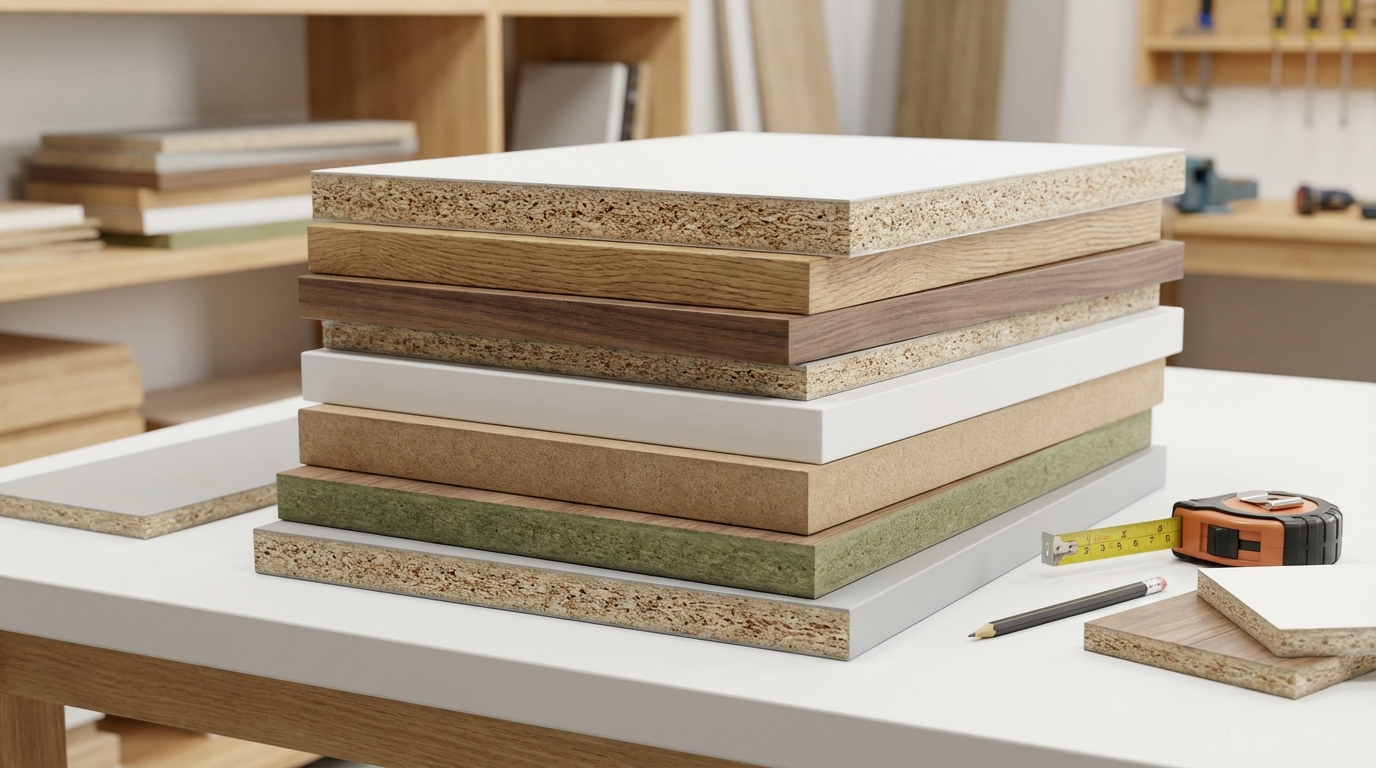
Indian buyers have five primary options for termite-resistant furniture boards. Each has distinct advantages depending on your application, budget, and local climate conditions.
1. HDHMR Board: The Modern Standard for Termite Resistance
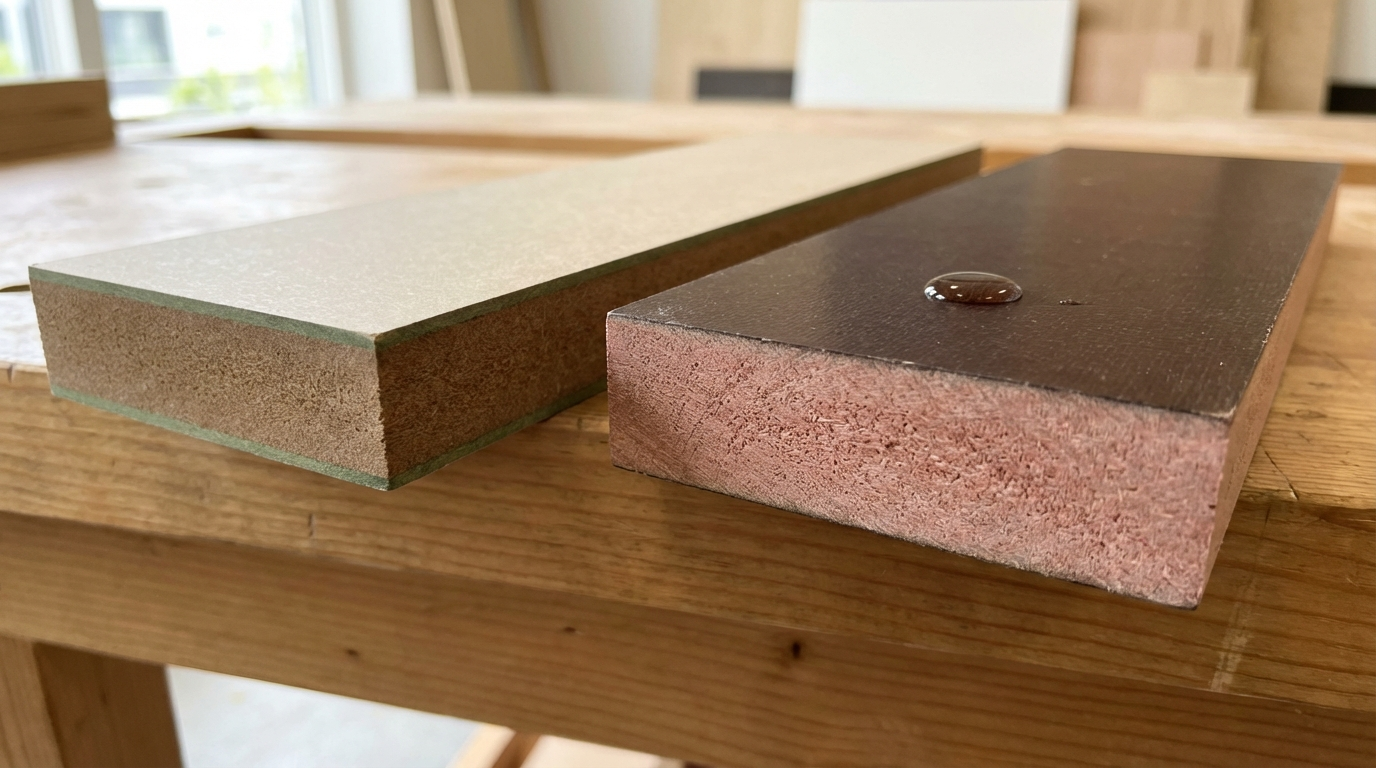
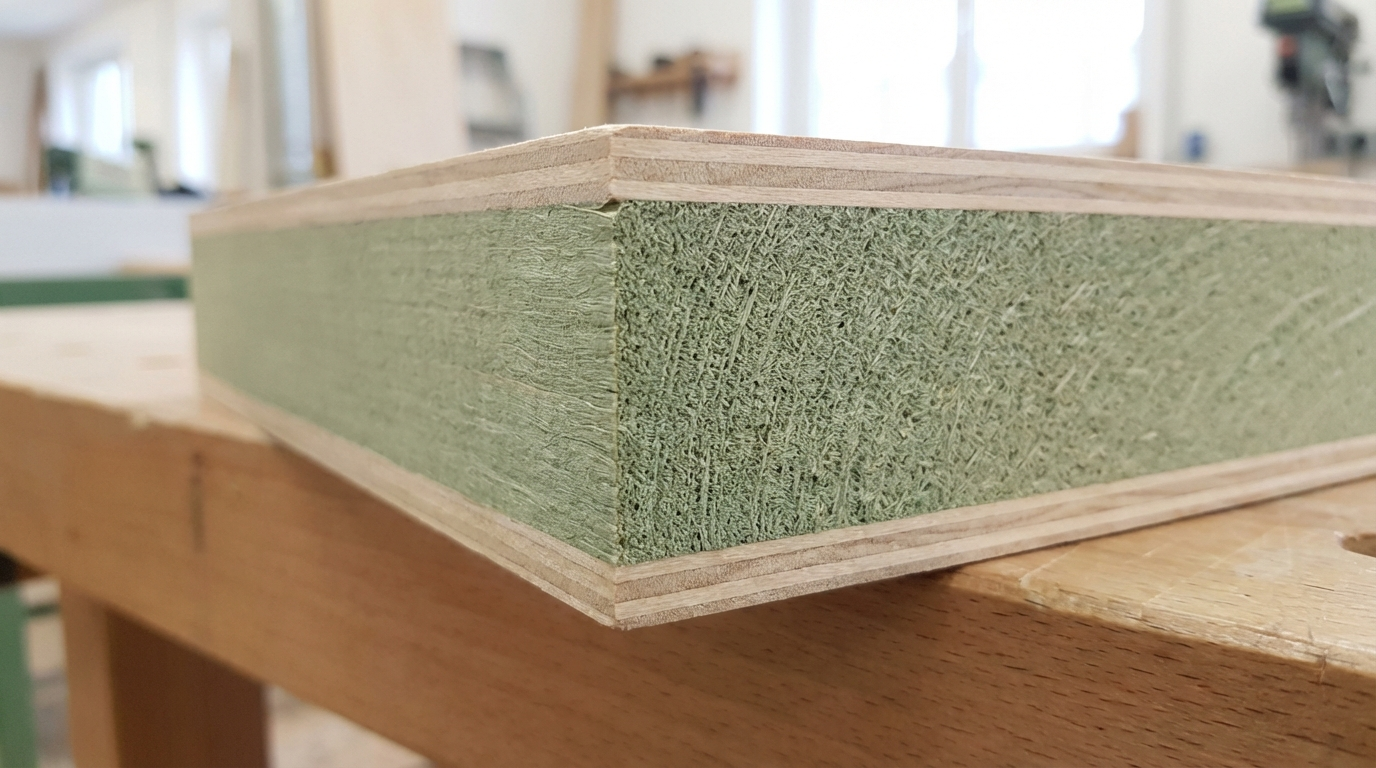
HDHMR (High Density High Moisture Resistant) board has become the default choice for modular kitchens and wardrobes in termite-prone areas. The board's termite resistance comes from two sources: extremely high compression (800-900 kg/m³ density) that physically deters boring, and chemical additives integrated during the manufacturing process.
Action Tesa, Century Ply, and Greenpanel all produce HDHMR with anti-termite and anti-borer treatments. The dense composition means there are no voids or soft spots where termites typically establish entry points. According to manufacturer specifications, quality HDHMR boards resist termite attack for 15+ years under normal indoor conditions.
Best applications: Kitchen cabinets, wardrobe carcasses and shutters, bathroom vanities, office furniture
Limitations: Heavier than plywood, requires proper edge sealing, not suitable for outdoor use
Price range: ₹75-110 per sq ft (12-18mm thickness)
2. BWP/Marine Plywood with Termite Treatment
Boiling Water Proof (BWP) plywood, also called marine plywood, offers excellent moisture and termite resistance when properly treated. The IS 710 grade specification requires specific adhesive and veneer standards, but termite treatment is an additional process—not all BWP plywood includes it.
Look for "Borer and Termite Proof" (BT) certification or specific brand claims about termite treatment. Century's Club Prime, Greenply's Club Class, and Kitply's Gold series include termite-resistant variants. The treatment involves pressure impregnation with preservatives like copper-based compounds or synthetic pyrethroids.
Best applications: Structural furniture, bed frames, heavy-duty shelving, exterior-adjacent furniture
Limitations: Significantly more expensive than HDHMR, quality varies widely between brands
Price range: ₹120-180 per sq ft (18-19mm thickness)
3. Boilo/BWR Plywood with Anti-Termite Treatment
BWR (Boiling Water Resistant) plywood, marketed as "Boilo" by some brands, sits between commercial plywood and BWP grade. When combined with termite treatment, it offers reasonable protection at a moderate price point. This is the practical choice for interior furniture in areas with moderate termite pressure.
Action Tesa's Boilo range and Century's Sainik BWR both offer anti-termite variants. The treatment penetration is typically less thorough than BWP grade, so these boards work best in climate-controlled interiors rather than high-humidity areas.
Best applications: Bedroom furniture, living room cabinets, interior doors in moderate-humidity areas
Limitations: Lower moisture resistance than BWP, termite protection may diminish over 10-15 years
Price range: ₹85-120 per sq ft (18-19mm thickness)
4. WPC (Wood Plastic Composite) Boards
WPC boards combine wood fibres with plastic polymers, creating a material that termites physically cannot digest. This makes WPC the closest thing to genuinely "termite proof"—the plastic content simply isn't food for wood-destroying insects.
Hardy Plast and Greenply's WPC offerings have gained traction in commercial installations and increasingly in residential kitchens. The boards are also waterproof (not just water-resistant), making them suitable for bathroom applications where HDHMR might eventually fail.
Best applications: Bathroom cabinets, kitchen areas near sinks, outdoor furniture, commercial installations
Limitations: Higher cost, different working characteristics (requires special tools), limited thickness options
Price range: ₹130-180 per sq ft
5. Cement Fibre Boards (Bison Panels)
Cement fibre boards contain no organic wood material, making them completely immune to termite attack. Brands like Bison and Everest manufacture these panels primarily for exterior cladding and wet-area applications, but they're increasingly used for kitchen carcasses in extreme termite zones.
The material is heavier and harder to work with than wood-based boards, requiring masonry-type tools for cutting. However, for clients who've experienced repeated termite damage or live in heavily infested areas, cement boards provide absolute peace of mind.
Best applications: External furniture, bathroom interiors, kitchen carcasses in high-termite zones
Limitations: Very heavy, requires special hardware, limited finish options, not suitable for decorative applications
Price range: ₹60-90 per sq ft
Termite Proof Board Comparison: Quick Reference Table
| Board Type | Termite Resistance Level | Moisture Resistance | Screw Holding | Price (₹/sq ft) | Best For |
|---|---|---|---|---|---|
| HDHMR | Excellent (treated + dense) | High | Good | 75-110 | Kitchens, wardrobes, modular furniture |
| BWP Plywood (treated) | Excellent (chemical treatment) | Very High | Excellent | 120-180 | Structural furniture, wet areas |
| BWR Plywood (treated) | Good (moderate treatment) | Moderate | Excellent | 85-120 | Interior furniture, bedrooms |
| WPC Board | Complete (plastic content) | Waterproof | Moderate | 130-180 | Bathrooms, outdoor, commercial |
| Cement Fibre Board | Complete (no wood content) | Waterproof | Requires anchors | 60-90 | Extreme conditions, cladding |
How to Choose the Right Termite Proof Board: Decision Framework
Selecting the appropriate termite-resistant board depends on four factors: your location's termite pressure, the specific furniture application, moisture exposure level, and budget constraints.
Factor 1: Assess Your Termite Risk Level
High-risk zones: Coastal areas (Kerala, Goa, Konkan, coastal Tamil Nadu, Odisha), regions with high water table, ground-floor apartments, independent houses with gardens. Choose HDHMR, treated BWP plywood, or WPC.
Moderate-risk zones: Most of peninsular India, older buildings, areas with seasonal humidity. HDHMR or treated BWR plywood provides adequate protection.
Lower-risk zones: High-rise apartments (above 5th floor), dry northern regions, new constructions with proper soil treatment. Standard HDHMR or even quality MR plywood with termite treatment may suffice.
Factor 2: Match Board to Application
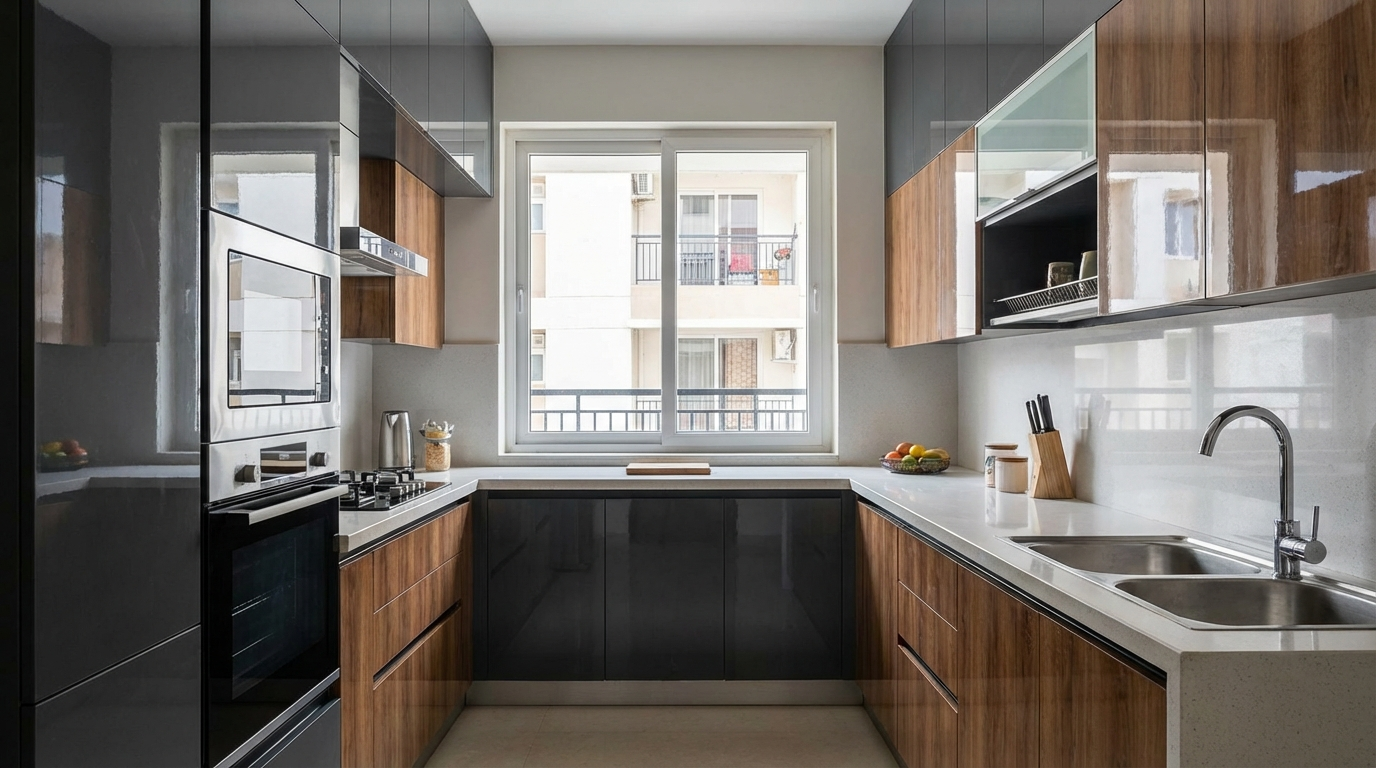
Kitchen cabinets: HDHMR is the optimal choice—it handles humidity from cooking, resists termites, and provides a smooth laminate-ready surface. For areas directly exposed to water splashes (under-sink cabinets), consider WPC.
Wardrobes: HDHMR for carcass and shutters works excellently. The termite resistance protects stored clothing, and the dense surface prevents pest entry.
Bathroom vanities: WPC or treated BWP plywood are safer than HDHMR for direct moisture exposure. If using HDHMR, ensure complete edge sealing and adequate ventilation.
Bed frames and heavy furniture: Treated BWP plywood provides better screw-holding strength for load-bearing applications. The extra cost is justified for furniture expected to last 20+ years.
Exterior or semi-outdoor furniture: Only WPC or cement fibre boards should be used. No wood-based board, regardless of treatment, withstands continuous outdoor exposure in Indian conditions.
Factor 3: Consider Total Project Cost
The board cost is only part of your furniture expense. Factor in:
- Finishing costs: HDHMR requires lamination or paint; treated plywood may need only polish
- Hardware requirements: Heavier boards need more hinges and stronger fixings
- Labour charges: Some boards are harder to work with, increasing carpentry costs
- Long-term value: A ₹30/sq ft premium for better termite protection saves ₹50,000+ in potential replacement costs
Factor 4: Verify Actual Termite Treatment
Not all boards marketed as "termite proof" have undergone proper treatment. Before purchasing:
- Ask for the specific termite treatment certificate or IS standard compliance
- Check if the brand offers a written warranty against termite damage
- For plywood, confirm whether termite treatment is standard or an add-on option
- Purchase from authorised dealers who can provide authentic product documentation
Brand-Wise Termite Proof Options in 2026
Action Tesa
Action Tesa pioneered HDHMR in India and remains a market leader. Their boards include anti-termite and anti-borer treatment as standard. The company offers a termite damage warranty on their premium HDHMR range. Their Boilo (BWR) plywood also comes in termite-treated variants.
Century Ply
Century's Club Prime BWP plywood includes borer and termite protection with pressure treatment. Their HDHMR range (Premium Plus and Low Emission variants) incorporates termite-resistant additives. The Sainik range offers budget-friendly termite-treated BWR options.
Greenpanel (Greenply)
Greenpanel markets their HDHMR under the MDF 710 designation with termite resistance claims. Their plywood ranges include specific termite-treated grades. The company emphasises eco-friendly manufacturing, with some products using natural pest deterrents alongside synthetic treatments.
Kitply
Kitply's Gold series BWP plywood features comprehensive termite treatment. Their products are particularly popular in eastern and northeastern India where termite pressure is severe.
Common Myths About Termite Proof Boards
Myth 1: "Termite proof means lifetime protection"
Reality: Chemical treatments degrade over time. Most termite-resistant boards provide reliable protection for 15-25 years. Extremely aggressive termite colonies or severe moisture damage can compromise protection earlier. Physical barriers like HDHMR's density last longer than chemical treatments alone.
Myth 2: "All HDHMR is automatically termite proof"
Reality: HDHMR's high density provides inherent resistance, but premium brands add chemical treatment for complete protection. Unbranded or low-quality HDHMR may lack proper treatment. Always verify termite resistance claims with documentation.
Myth 3: "Treated plywood is always better than HDHMR for termites"
Reality: Treatment quality varies enormously across plywood manufacturers. A well-made HDHMR board often outperforms poorly treated plywood. The combination of HDHMR's density plus chemical treatment provides dual-layer protection that single-method approaches lack.
Myth 4: "Expensive boards are always more termite resistant"
Reality: Price correlates with overall quality but not directly with termite resistance. A ₹180/sq ft decorative plywood may have less termite protection than ₹90/sq ft HDHMR designed specifically for that purpose. Check specifications rather than assuming price equals protection.
Installation Practices That Maximise Termite Protection
Even the best termite proof board requires proper installation to deliver its full protective potential:
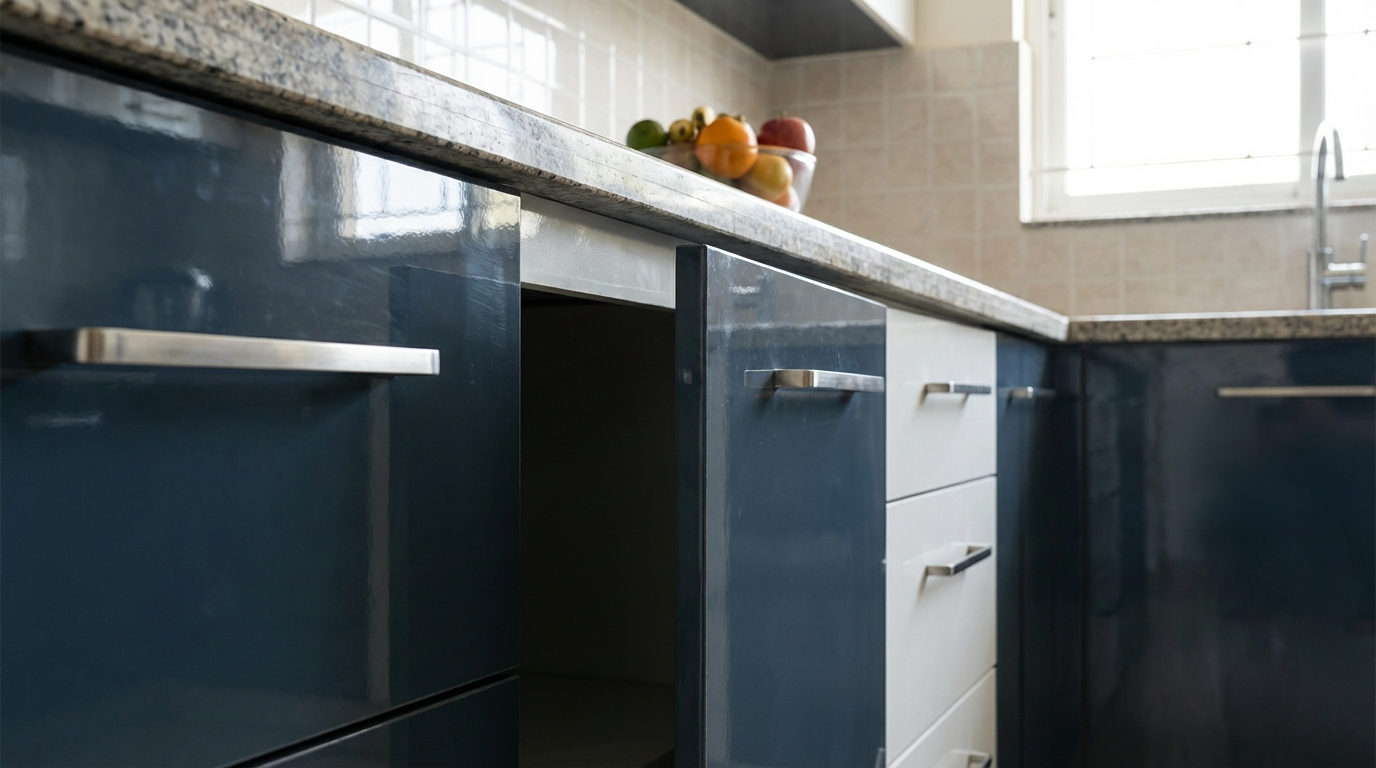
Edge sealing: Exposed edges are vulnerable entry points. Apply PVC edge banding, laminate, or polyurethane sealer to all cut edges. This is critical for HDHMR where the dense surface provides more protection than the core.
Bottom clearance: Furniture bases should not touch the floor directly. Use adjustable legs or plinths that create a visible gap, preventing ground-level termite access and allowing early detection of any pest activity.
Ventilation: Termites thrive in stagnant, humid environments. Ensure furniture installations allow air circulation, particularly behind wardrobes and under kitchen cabinets.
Periodic inspection: Check furniture annually for early termite signs: mud tubes, hollow sounds when tapped, or small exit holes. Early detection prevents extensive damage even if board protection eventually fails.
Surrounding treatment: Board-level protection works best alongside building-level measures. Ensure your home has proper anti-termite soil treatment, and address any existing infestations before installing new furniture.
Regional Recommendations for India
Kerala, Goa, Coastal Karnataka: Maximum termite pressure combined with high humidity. Use HDHMR for standard furniture, WPC for bathroom areas. Treated BWP plywood for structural pieces. Annual inspection recommended.
Mumbai, Chennai, Kolkata: High humidity and moderate-to-high termite risk. HDHMR handles most applications well. Consider WPC for ground-floor bathrooms.
Delhi NCR, Northern Plains: Seasonal humidity with moderate termite pressure. HDHMR or treated BWR plywood provides adequate protection. Ensure monsoon-season ventilation.
Bangalore, Pune, Hyderabad: Moderate conditions overall. HDHMR is the practical choice for most furniture. Standard precautions sufficient.
Dry regions (Rajasthan, parts of Gujarat): Lower termite pressure but still present. Quality HDHMR or even well-treated MDF may suffice for interior furniture away from moisture sources.
Buyer's Action Plan: Getting the Right Termite Proof Board
Step 1: Assess your location's termite risk level using the regional guide above.
Step 2: List your furniture applications and categorise by moisture exposure (dry, moderate humidity, wet area).
Step 3: For each application, identify the appropriate board type from the comparison table.
Step 4: Request quotes from authorised dealers of at least two brands. Ask specifically about termite treatment certification and warranty terms.
Step 5: Verify board authenticity by checking edge markings, requesting documentation, and purchasing only from established suppliers.
Step 6: Brief your carpenter on proper installation practices—edge sealing, ventilation gaps, and hardware appropriate for the board type.
Step 7: Retain purchase documentation for warranty claims and schedule annual furniture inspections.
Termite damage is preventable. The boards and treatments available in 2026 offer genuine long-term protection when correctly specified and installed. Invest the time to choose right initially, and your furniture will outlast the termites trying to consume it.
Disclaimer: This content is provided for general informational purposes based on industry practices and publicly available information. Product specifications, standards, prices, and availability may vary by manufacturer, region, and time. Readers should independently verify details with manufacturers, dealers, or qualified professionals before making purchase or construction decisions.